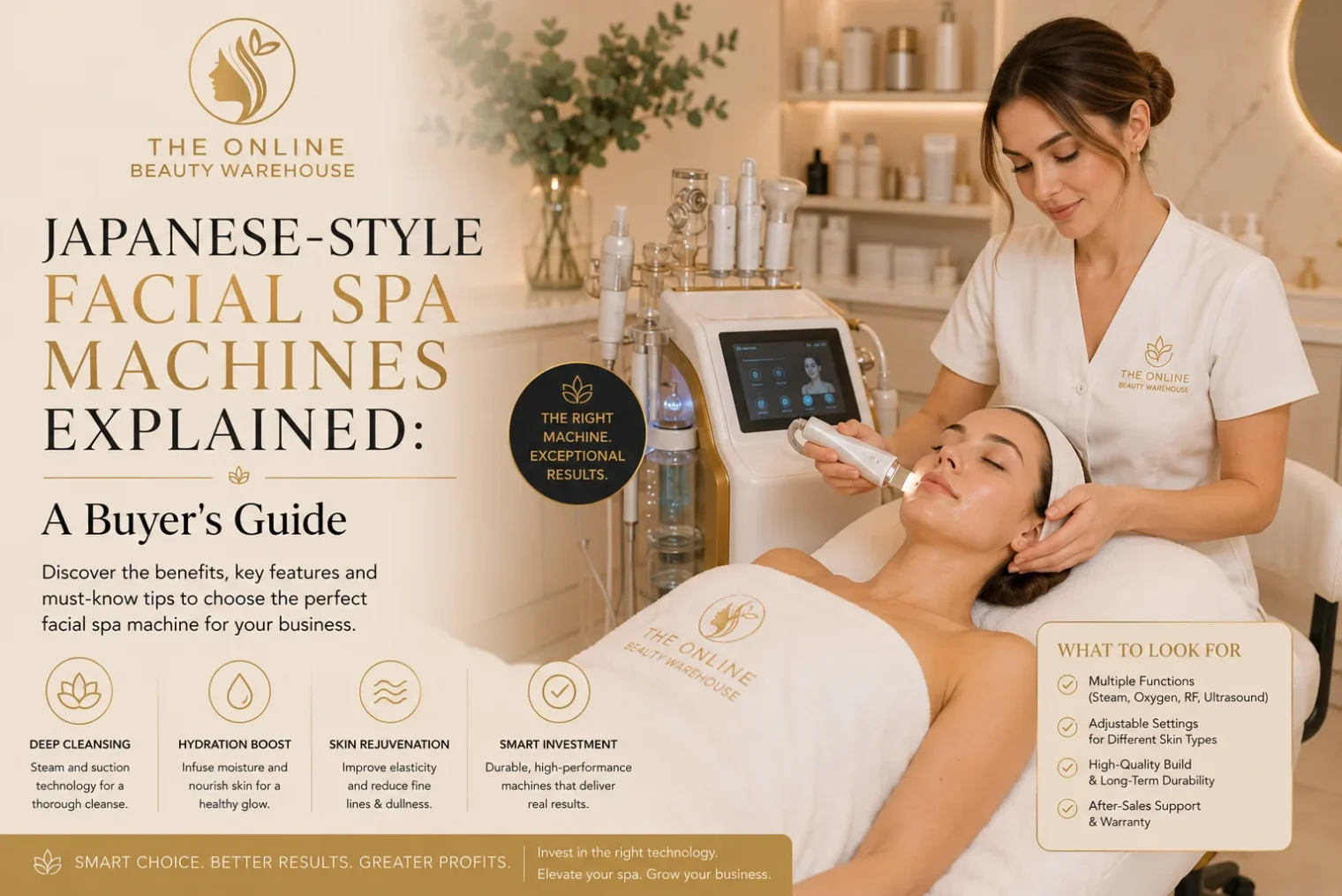
If you have spent any time researching facial and spa equipment for your salon, you have probably come across machines marketed as “Japanese” or “Japanese-style.” Before going any further, it is worth clearing something up: this naming generally refers to the treatment style and design philosophy behind the equipment, not the country where the machine was physically manufactured. It is an important distinction, and one every salon owner deserves to understand clearly before they buy. Here is what the name actually means, what these machines are good at, and what to check before you commit to one.
What “Japanese-Style” Actually Means
Japan has a long history of meticulous facial and scalp care rituals, from traditional kobido massage techniques through to modern precision skincare protocols. When equipment is described as Japanese-style, it is usually referring to this heritage of technique and treatment philosophy, gentle, controlled, precision-focused approaches to skin and scalp care, rather than a claim about where the physical unit rolled off a production line.
This matters because manufacturing origin and design philosophy are two different things. A machine can be built around genuinely Japanese-inspired treatment protocols while being manufactured in a facility anywhere in the world. Neither fact makes the equipment better or worse on its own, but it does mean salon owners should ask suppliers directly where equipment is actually built, rather than assuming a name tells the full story.
The honest answer is that country of manufacture is only one factor in equipment quality, and often not the most important one. Build quality, componentry, quality control processes and after-sales support matter more day to day than the country printed on a compliance sticker.
Key Categories of Japanese-Style Facial Spa Machines
Facial steamers
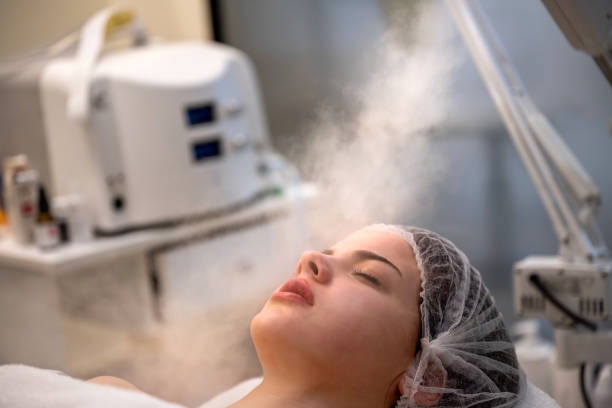
Facial steamers open pores and prep the skin for extractions or product penetration. Japanese-style steamers are generally designed around producing a finer, more even mist and holding a stable temperature, which reduces the risk of over-steaming or scalding a client during a treatment. Our professional facial steamer is a good example of this approach in practice.
Extraction tools
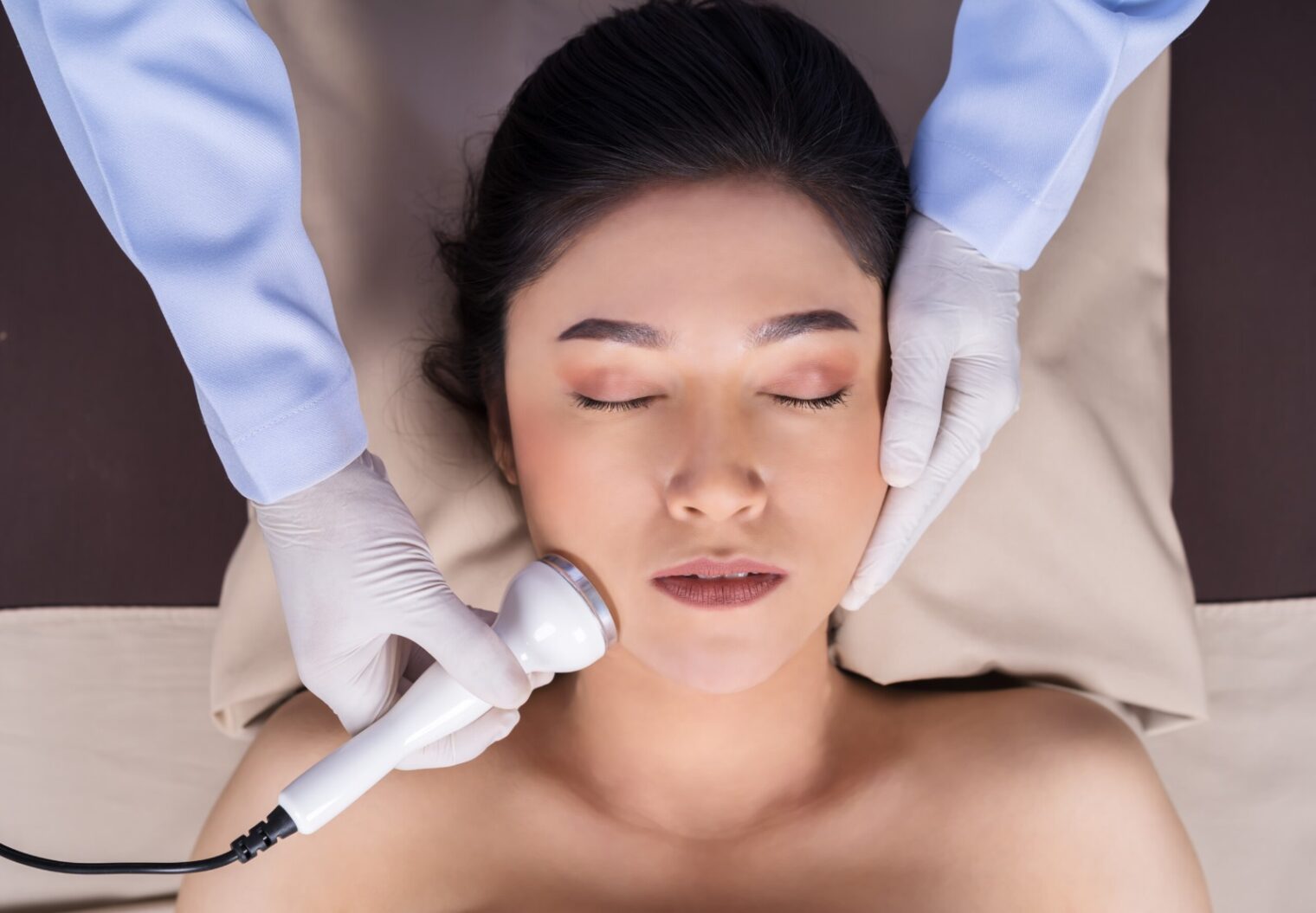
Extraction tools, including vacuum and suction-based devices, need a delicate touch. Poorly calibrated suction can bruise or irritate the skin. Equipment designed around this gentler, precision-focused philosophy tends to offer finer pressure control, giving therapists more confidence when working on delicate or reactive skin types.
Hydro devices
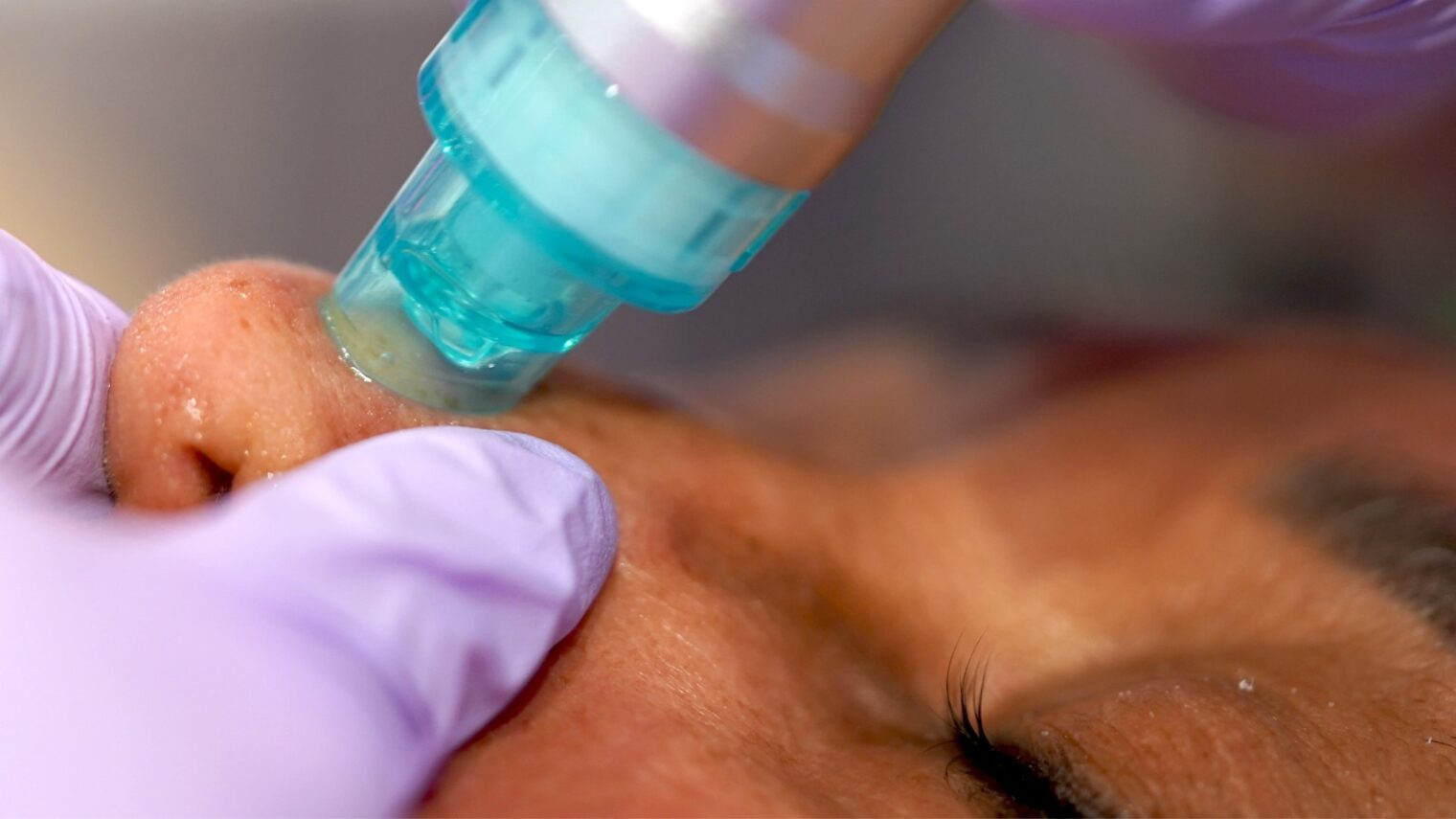
Hydrodermabrasion and other hydro-based machines combine exfoliation, extraction and hydration in one pass. This is one area where careful engineering really shows, since the machine needs to balance water flow, suction and abrasion all at once. A well-built hydro device does this smoothly, without the jerky or inconsistent feel that lower-spec machines can have. Browse our Hydrodermabrasion and Microdermabrasion range to compare options.
So Where Are These Machines Actually Made?
This is the question worth asking directly, of us or any supplier. Manufacturing today is genuinely global, and a huge amount of professional beauty equipment, regardless of the treatment style it is named after, is built in large-scale manufacturing hubs and then finished, tested and compliance-checked for the market it is sold into. A Japanese-style facial steamer is not necessarily built in Japan any more than a Swedish-style massage table is necessarily built in Sweden. The name describes the treatment tradition it is designed around, not a country-of-origin guarantee.
What should matter far more to a salon owner than the country on the box is whether the specific unit in front of you is well built, properly compliant for Australian use, backed by real local warranty support, and serviceable if something goes wrong. A supplier who is upfront about actual manufacturing origin, rather than leaning on a name to imply something they cannot back up, is one worth doing business with.
Compliance, Warranty and Servicing: What to Check Before You Buy
This is where a lot of salon owners run into trouble, and it is not really about the machine’s country of origin at all. It is about what happens after you have bought it.
- Local warranty support: confirm whether the warranty is honoured in Australia or whether you would need to ship the unit overseas for repairs
- Compliance and electrical standards: make sure the machine meets Australian electrical safety standards (AS/NZS) and holds RCM certification, regardless of what treatment style it is named after
- Availability of consumables and parts: ask whether replacement tips, filters and accessories are stocked locally or need to be imported each time
- Training and setup support: find out whether the supplier offers hands-on training, since even a well-built machine is only as good as the therapist operating it
- Response time on servicing: ask how quickly a technician can attend if something needs repair, and whether loan equipment is available in the meantime
Buying directly from an Australian-based supplier who deals specifically in professional salon equipment takes most of this risk off your plate. You get equipment designed around a trusted treatment philosophy, backed by clear compliance and local warranty support, without having to manage international freight, customs or warranty claims yourself.
Is It Worth the Investment for Your Salon?
If you are positioning your salon or spa at the premium end of the market, or you want treatments that clients will happily pay more for, well-built equipment designed around a refined, precision-focused treatment style is generally a sound long-term investment. The higher upfront cost is often offset by fewer repairs, better client retention and treatments that stand out from what competitors are offering, provided the supplier backs the equipment with genuine local support.
If you are just starting out and building your treatment menu on a tighter budget, it may make more sense to start with a smaller range of core machines and expand as your client base grows.
Ready to Explore This Range?
Browse our full range of facial and spa machines, or if you are not sure where to start, book a free consultation with our team. We will help you work out which machines suit your treatment menu, budget and client base, so you can build a premium offering with confidence, and we will always be upfront with you about where equipment is actually built.
New to the industry? Check out our Japanese Head Spa Business starter package for a curated bundle of essential equipment, or head to our training page to see upcoming sessions on getting the most out of your new machines.
Buying for a group of salons or a franchise? Get in touch through our contact page for bulk pricing and dedicated account support.
Don’t forget to stock up on aftercare products to send clients home with, it’s a simple way to extend results between visits and add another revenue stream to your treatment menu.
Frequently Asked Questions
Are Japanese-style facial spa machines actually made in Japan?
Not necessarily, and it is worth asking your supplier directly. “Japanese-style” generally describes the treatment philosophy and technique the equipment is designed around, rather than a guarantee of where the physical unit was manufactured. A reputable supplier should be upfront about actual country of origin rather than letting a name do the talking.
Are these machines suitable for Australian electrical standards?
Not automatically, regardless of naming or styling. Always buy through a supplier who confirms the equipment is set up for Australian standards (AS/NZS) and holds RCM certification, or ask specifically before purchasing.
How long do these facial spa machines typically last?
With regular servicing and proper care, many salons report seven to ten years or more of reliable use from well-built professional equipment, though this varies depending on usage volume, build quality and maintenance.
Do I need special training to use this equipment?
Most machines come with an instruction manual, but hands-on training is strongly recommended, especially for hydro and extraction devices where technique affects both results and client comfort. Ask your supplier whether training is included or available separately.
Why does a supplier describe equipment as Japanese-style if it isn’t made in Japan?
It generally reflects the treatment technique and design approach the machine is built around, drawing on Japanese facial and scalp care traditions, rather than a claim about manufacturing location. It is a naming convention used across the beauty industry, and a transparent supplier will always clarify actual origin if you ask.
Can I finance this equipment for my salon?
Many suppliers offer finance or payment plan options for higher-value equipment. It is worth asking directly, as this can make premium machines accessible even for newer salons with tighter cash flow.
What’s the difference between a facial steamer and a hydro device?
A facial steamer simply opens pores using warm mist to prep the skin, while a hydro device combines exfoliation, extraction and hydration in a single treatment, offering a more comprehensive result in less time.