Starting a beauty salon in Australia is one of the most exciting business moves you can make, honestly. The industry is growing, clients are getting more treatment-savvy and comfortable with results. Also the professional-grade tech is more accessible than ever, which sounds great, but there’s a catch. With so many options on the market, knowing which machines to invest in first can be genuinely hard, particularly because your startup budget, the actual floor space, and how much staff training you can realistically support all have firm limits.
This guide walks you through six of the most common beauty machine categories you’ll see across Australia right now: hydrodermabrasion, HIFU, LED therapy, teeth whitening, body sculpting, and head spa. For each category we cover what you really need to know before buying. That includes the startup cost range, the space requirements, how much training is involved, and the kind of return on investment, or ROI, that’s realistic for an Australian salon setup.
So whether you’re fitting out a home salon, a compact treatment room, or going all-in with a full-service day spa, use this guide to shape a practical equipment plan from day one.
What to Consider Before Buying Beauty Machines in Australia
Before we get into the individual categories, there are four evaluation criteria that are worth applying to every machine you might consider: not just the glitzy bits, but the practical stuff.
Startup budget covers both the machine purchase price and any consumables or accessories you need to get started treating clients. A machine that looks pretty cheap at first glance can become strangely costly very quickly, especially if it uses expensive single-use tips, replacement cartridges, or proprietary serums that keep getting billed.
Space requirements end up mattering more than most new salon owners expect. Treatment rooms should be able to fit the machine itself, a treatment bed, a trolley, safe walkway clearance, and in a lot of cases ventilation or hygiene requirements. If you know the footprint beforehand, you can avoid a lot of headaches later.
Training needs can vary enormously across categories. Some machines can be used confidently after a half-day training session, but others need formal certification and ongoing supervised practice before you can treat clients safely and consistently get good clinical outcomes.
ROI potential is ultimately what makes a machine a legit business investment. We’ve estimated it based on typical Australian treatment pricing, realistic client frequency, and the machine’s capacity. But your actual results will depend on where you are, who your clientele is, and how actively you market each service.
-
Hydrodermabrasion Machines
What It Is
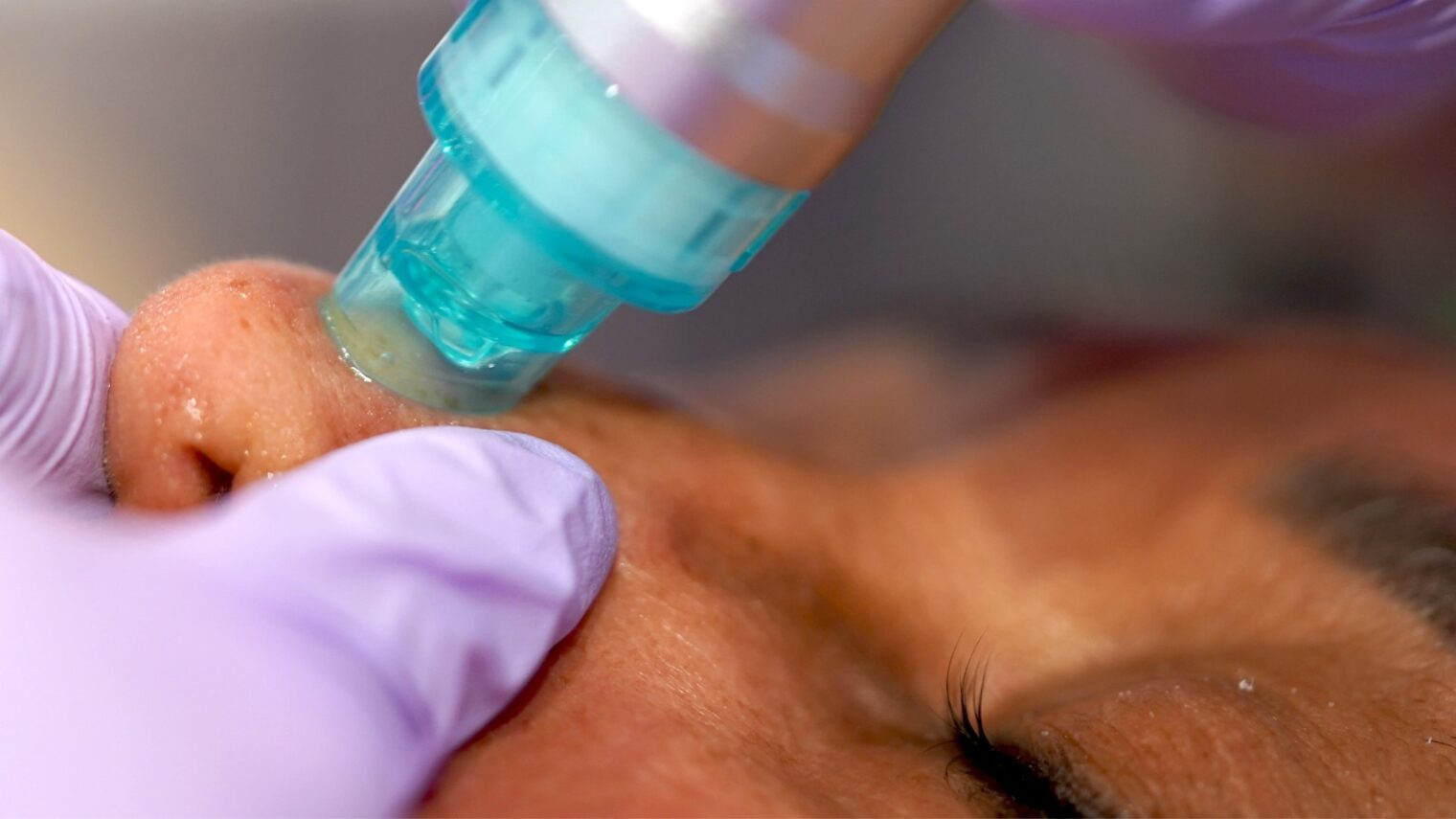
Hydrodermabrasion sort of combines exfoliation and this simultaneous infusion of serums into the skin, kinda like a two step thing but it happens at once. Instead of the old style crystal microdermabrasion, which relies on abrasive particles, it uses water plus suction to resurface the skin. Because of that approach, it is often a better fit for a wider range of skin types ,even those with more sensitive skin, and it tends to feel gentler overall.
Startup Budget
For a brand new Australian salon, entry level hydrodermabrasion machines are usually in the $1,500 to $5,000 band, though if you go for a premium multi function setup they can climb quite a bit higher. Also, there are those serum consumables to think about, they run around $15 to $40 each treatment depending on the brand, and the exact protocol being used.
Space Requirements
Most hydrodermabrasion machines are smallish tabletop units, or trolley mounted, you know the kind. You do need a regular treatment bed and of course access to a power outlet. Generally, a room around 10 to 15 square meters is enough, no need to overthink it. A few systems also come with an integrated trolley which helps keep your whole setup tidy and easy to move, almost portable by default.
Training Needs
This one of those pretty accessible machine categories for new therapists, like it easier than you’d expect. Most suppliers provide an initial training session, so competency can usually be reached within one to two days of supervised practice. A Certificate III or IV in Beauty Therapy gives a strong bedrock of knowledge for skin assessment and client consultation.
ROI Potential
Hydrodermabrasion facials are usually priced somewhere between $80 and $180 in Australia, it really depends on where you are, and whether they throw in add-on serums. If you’re looking at it from a business angle, with a machine investment of around $3,000 and a treatment time that sits at 45 to 60 minutes, you can maybe recover that machine cost within 3 to 6 months, especially if you’re doing two or three sessions in a day. And honestly it’s also a pretty reliable upsell treatment, it goes nicely with LED therapy, so it can be a strong “core” option for your facial treatments menu even when you want variety.
Best suited to: Home salons, beauty rooms, mobile therapists, and new salon owners building a facial services menu.
-
HIFU Machines (High-Intensity Focused Ultrasound)
What It Is
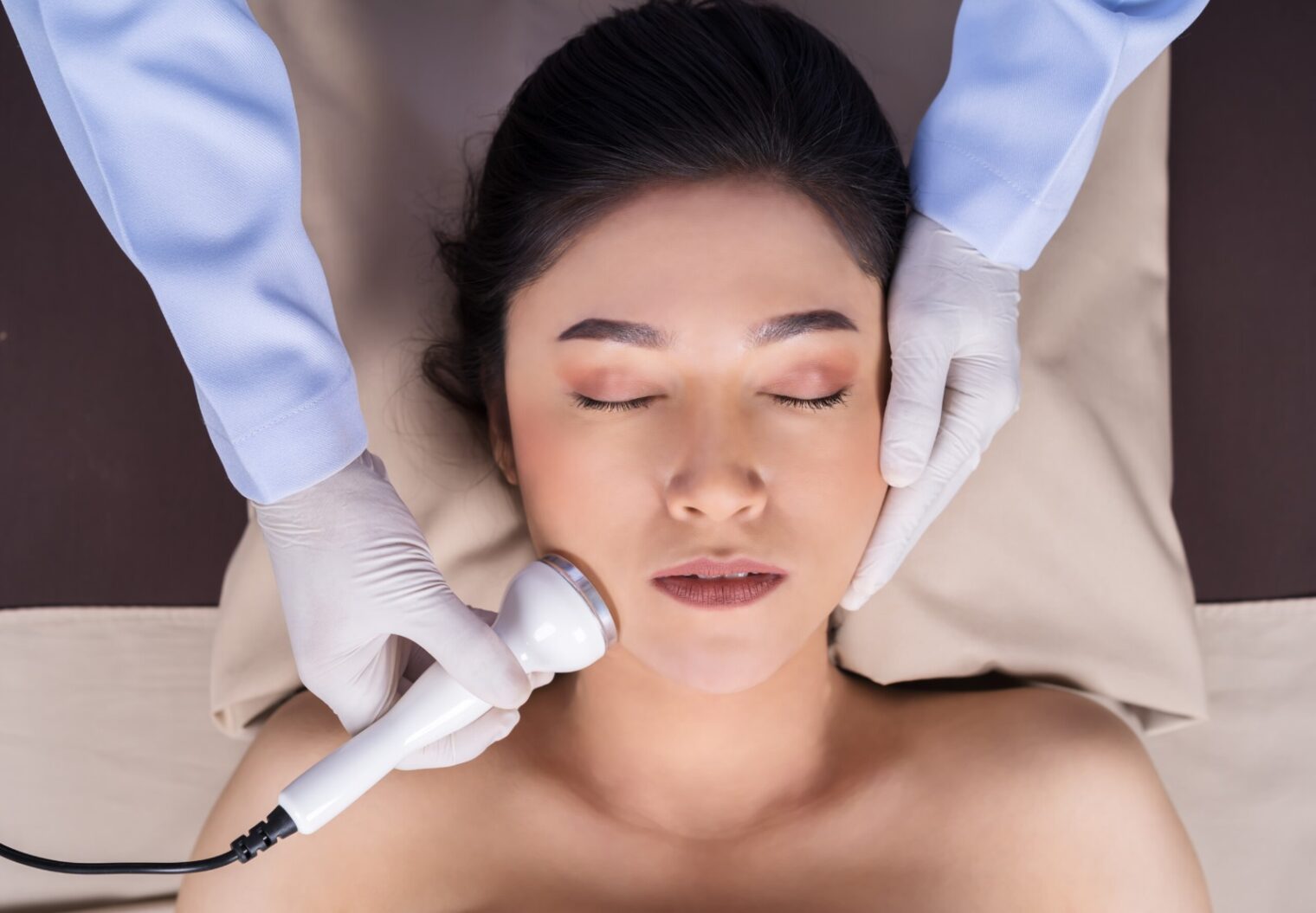
HIFU works by using focused ultrasound energy to encourage collagen making in the deeper layers of the skin, which can create that lifting , and tightening vibe on both the face and the body. It’s basically one of the most wanted non-surgical cosmetic procedures in Australia, and people tend to pay a premium price for it.
Startup Budget
In Australia, professional grade HIFU machines usually sit around $5,000 to $25,000+ depending on how many transducer cartridges they have, which generation the tech is at, and which brand you pick. And the cartridges, well, they’re a real ongoing expense of course, often about $30 to $100 for each treatment, that is, based on the brand and how many shots you end up using.
Space Requirements
HIFU devices are mostly trolley mounted with a sort of handheld applicator. In many cases, a standard treatment space around 12 square meters or above is enough, though the exact amount can shift a bit. Some of the bigger HIFU setups, with body attachment accessories, tend to need a little more working space around them, just to keep things comfortable, and yes, a bit smoother for positioning.
Training Needs
HIFU is basically a higher risk category than the normal facials, and it does need a fairly through training before you start treating people. You should expect 2 to 3 days of initial practice and education at minimum, like, covering anatomy, contraindications, how to set the parameters and also proper client consultation. After that, ongoing professional growth is a good idea since the tech keeps evolving, even slowly. Also, some Australian states have extra or specific rules for energy based devices, so it s worth checking what your states cosmetic industry regulations say, before you offer HIFU commercially.
ROI Potential
In Australia, HIFU facial treatments usually sit around $300 to $700 for each session, and full face plus neck options can cost more than that, obviously. For the body side, HIFU sessions are often in the $400 to $900 range too, depending on the area treated and the clinic setup. Because the pricing is so premium, a well-maintained HIFU machine can end up being among the top money-making assets for one salon, or at least one person’s day-to-day operation. If a venue lands about 2 HIFU bookings per week, it’s pretty common to see the mid-range machine paid back within roughly 4 to 8 months, give or take.
Best suited to: Established therapists who want to branch out into anti-ageing services, plus medispa style environments, and also salons in higher-income metropolitan areas.
-
LED Light Therapy Machines
What It Is
LED (Light Emitting Diode) therapy uses specific wavelengths of light to nudge different skin issues. Red light helps kick start collagen, and it can calm inflammation. Blue light goes after acne-causing bacteria, while near-infrared light tends to support deeper tissue repair. LED is, honestly one of the safest and most flexible tools you can bring into a beauty salon.
Startup Budget
Professional LED panels and masks for salon use usually sit around $800 to $6,000 in Australia. If you’re looking at an entry level dome or panel setup that can treat the full face, expect something like $1,200 and up. In most cases there are no consumables, so after the purchase the ongoing cost stays pretty small or basically negligible.
Space Requirements
LED panels are some of the most space efficient machines you’ll find. A compact panel or dome can slide onto a treatment trolley, and it won’t demand a lot of extra room beyond your treatment bed. LED beds and full body panels need more area, but that’s more of a separate investment lane anyway.
Training Needs
LED therapy is known for having one of the lowest barriers to entry among professional beauty machines. Basic training around wavelengths, contraindications (especially photosensitivity and certain medications), and treatment protocols can often be finished in about half a day. Most suppliers also include training when you buy, so you’re not left figuring it out alone.
ROI Potential
LED facial add-ons are typically priced at $30 to $80 on top of a base treatment, and standalone LED sessions often land in the $60 to $120 range. Since the therapist doesn’t need to do much once the client is set up, the process is pretty fast and efficient. With a $2,000 investment, consistent use as a facial add on can bring in something like $500 to $1,000 per month in extra revenue in a moderately busy salon, and the payback is often well within the first quarter.
-
Teeth Whitening Machines
What It Is
Professional teeth whitening in a salon setting uses LED or plasma light technology combined with a peroxide or peroxide-free whitening gel to lighten tooth enamel. In Australia, the regulatory landscape for teeth whitening is important to understand: salons using gels with more than 6% hydrogen peroxide must operate under dental supervision, but peroxide-free cosmetic whitening systems are widely used in beauty salons without dental oversight.
Startup Budget
Cosmetic teeth whitening starter kits including an LED light unit and initial gel supply typically range from $500 to $3,000 in Australia. Higher-end systems with stronger light sources, client protection accessories, and branded product ranges sit toward the top of that range.
Space Requirements
Teeth whitening requires very little dedicated space. A reclining chair or treatment chair is sufficient, and the whitening unit itself is compact. Many mobile beauty therapists offer this service as a standalone or add-on.
Training Needs
Most teeth whitening systems come with a supplier training session of two to four hours covering application technique, client screening, shade matching, and aftercare. Because regulations vary, it is worth reviewing the Australian Competition and Consumer Commission (ACCC) guidelines and your state’s specific rules before launching this service.
ROI Potential
Teeth whitening treatments in Australian salons are typically priced at $99 to $200 per session. Treatment time is usually 45 to 60 minutes, and repeat bookings for touch-ups are common. For a starter investment under $2,000, a busy salon offering even three whitening sessions per week can recoup costs within four to eight weeks. It is also one of the strongest impulse-add services for bridal, event, and gift voucher markets.
Best suited to: Nail salons, beauty bars, mobile therapists, and any salon wanting a fast-return, low-space service addition.
-
Body Sculpting Machines
What It Is
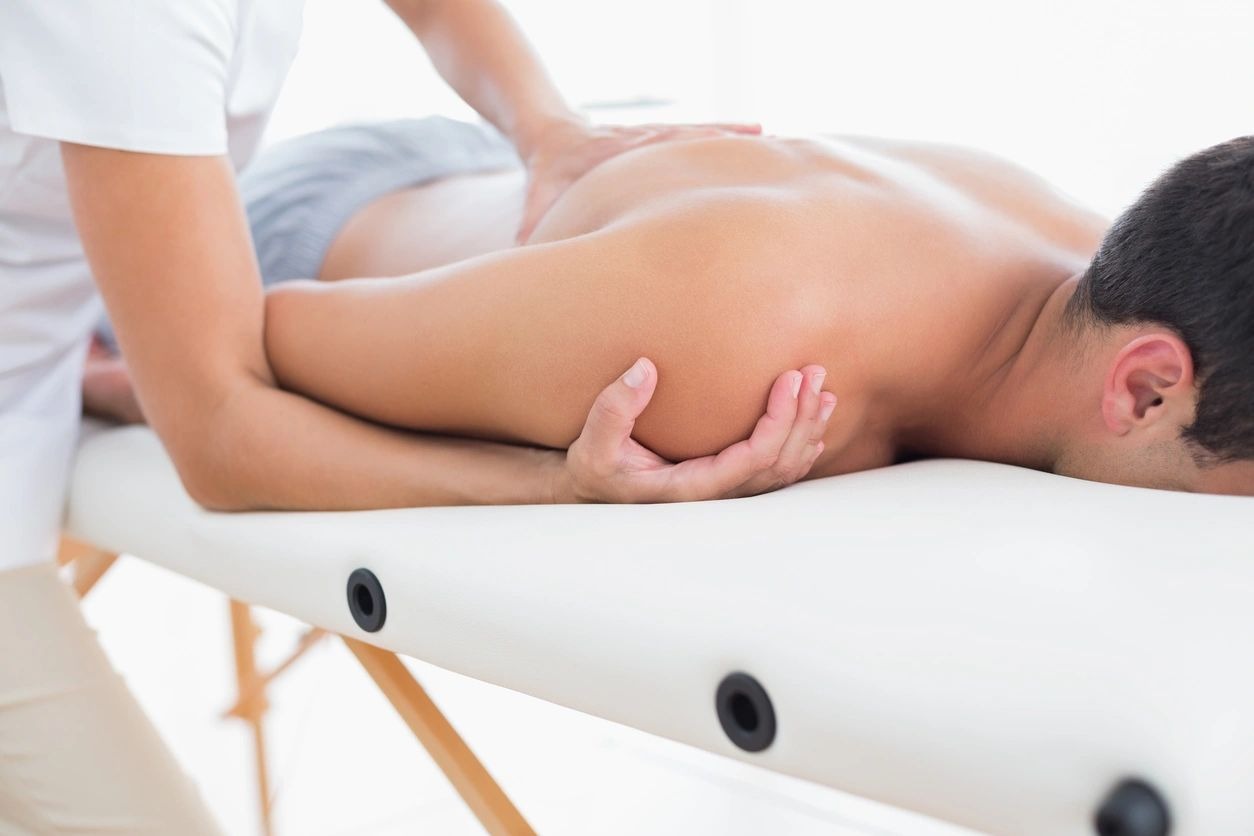
Body sculpting encompasses several technologies including cavitation (ultrasound fat breakdown), radiofrequency (RF) skin tightening, vacuum therapy, and EMS (electrical muscle stimulation). Many machines on the market combine two or more of these modalities in a single unit. Body sculpting targets areas like the abdomen, thighs, arms, and buttocks for contouring, cellulite reduction, and skin tightening.
Startup Budget
Combination body sculpting machines in Australia typically range from $2,500 to $15,000 for professional-grade units. Multi-technology platforms offering cavitation, RF, and vacuum in one machine are highly cost-effective relative to buying separate devices. Budget for conductive gel and replacement applicator heads as ongoing consumables.
Space Requirements
Body sculpting requires a full treatment bed and clear access around all sides of the client. A treatment room of at least 15 square metres is recommended for comfortable working space. Some body sculpting machines are quite substantial in size, so check the machine dimensions carefully before purchase.
Training Needs
Body sculpting is a more technically complex category requiring thorough training of two to three days covering anatomy, contraindications, treatment protocols per body area, and realistic client expectation management. It is essential that therapists understand what each modality can and cannot achieve to avoid client complaints or adverse outcomes.
ROI Potential
Body sculpting treatments in Australian salons are typically priced at $80 to $250 per session, with package deals being the primary sales model. Most salons selling packages of six to ten sessions per client generate significantly higher revenue per client than from single-session services. A quality multi-technology body sculpting machine at the $5,000 to $8,000 range can achieve payback within three to five months in a salon actively marketing body treatments.
Best suited to: Salons with dedicated body treatment rooms, beauty therapists with existing massage or body therapy clientele, and businesses targeting the wellness and body confidence market.
-
Head Spa Machines
What It Is
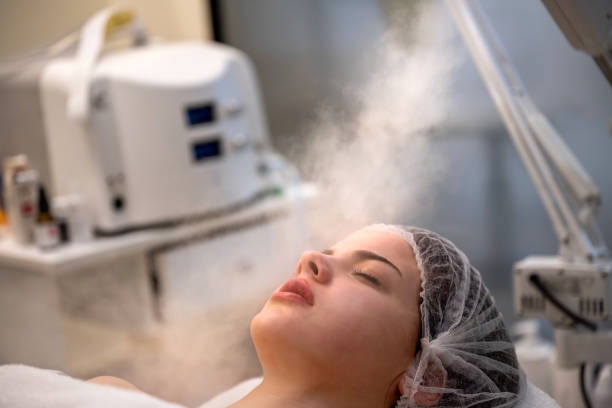
Head spa is one of the fastest-growing treatment categories in Australia, combining scalp analysis, deep cleansing, hydration, and relaxation massage. Professional head spa machines typically include a scalp analyser, an exfoliation or infusion device, and sometimes an ultrasonic or steam component. The treatment addresses scalp health concerns including dandruff, product build-up, oiliness, dryness, and hair thinning.
Startup Budget
Entry-level professional head spa setups including a scalp analyser and treatment device start from around $1,000 to $4,000 in Australia. Premium setups with high-resolution scalp cameras and multi-function treatment devices can reach $8,000 or more.
Space Requirements
Head spa treatments are typically performed at a backwash basin or in a treatment chair with a towel wrap. The machine footprint is small. A dedicated treatment chair and basin are the primary space requirement, making this workable in compact salons.
Training Needs
Basic head spa protocols can be learned within one to two days, though developing real expertise in scalp analysis and treatment customisation takes ongoing practice. Some suppliers offer certification courses that add credibility and help with client marketing.
ROI Potential
Head spa treatments in Australia typically range from $80 to $180 per session, with premium salons charging more for comprehensive scalp analysis and multi-step treatment. The category benefits enormously from social media, with the visually satisfying nature of scalp treatments driving strong organic reach on platforms like TikTok and Instagram. For a mid-range investment of $2,500, consistent bookings of three to four head spa treatments per week can achieve payback within two to four months.
Best suited to: Hair salons diversifying into scalp health, beauty salons wanting a point of difference, and therapists targeting the wellness and self-care market.
Side-by-Side Comparison: Which Machine Is Right for Your Stage?
| Category | Startup Budget | Space Needed | Training Level | ROI Timeline |
| Hydrodermabrasion | $1,500 to $5,000 | Small (10m²+) | Low to medium | 3 to 6 months |
| HIFU | $5,000 to $25,000+ | Medium (12m²+) | Medium to high | 4 to 8 months |
| LED Therapy | $800 to $6,000 | Minimal | Low | 1 to 3 months |
| Teeth Whitening | $500 to $3,000 | Minimal | Low | 1 to 2 months |
| Body Sculpting | $2,500 to $15,000 | Large (15m²+) | Medium to high | 3 to 5 months |
| Head Spa | $1,000 to $4,000 | Small to medium | Low to medium | 2 to 4 months |
Building Your Starter Pack: Recommended Combinations
For the home salon or mobile therapist just starting out: LED therapy + teeth whitening gives you two fast-payback services with minimal space and training requirements. Add hydrodermabrasion when your booking volume justifies the investment.
For a new standalone beauty room or salon: Hydrodermabrasion + LED therapy forms a strong facial services core. Add head spa for a point of difference and strong social media content. Budget for HIFU within your first 12 months once your client base is established.
For a full-service salon or medispa: A comprehensive starting lineup of hydrodermabrasion, HIFU, LED, body sculpting, and teeth whitening covers facial, body, and cosmetic services across multiple price points. This positions you to attract a broad client demographic and generate strong per-client revenue through packages and treatment plans.
Frequently Asked Questions
Do I need a qualification to use beauty machines in Australia?
Requirements vary by modality and state. Generally, a Certificate III or IV in Beauty Therapy is expected for most beauty machine treatments. Higher-risk technologies like HIFU and body sculpting benefit from additional manufacturer training and certification. Always check with your relevant state health or fair trading authority for current requirements.
Can I finance beauty machines in Australia?
Yes. Many Australian beauty equipment suppliers, including The Online Beauty Warehouse, offer finance options that allow you to spread the cost of your starter pack over monthly instalments. This makes it far more manageable to start with a comprehensive setup rather than a single entry-level machine.
How do I know if a machine is TGA compliant?
In Australia, therapeutic devices and certain cosmetic devices are regulated by the Therapeutic Goods Administration (TGA). Reputable suppliers will confirm the regulatory status of their machines. Always ask for documentation and avoid grey-market machines without clear compliance information.
How long do professional beauty machines last?
A well-maintained professional beauty machine should last between five and ten years. Choosing a supplier with local technical support, warranty coverage, and access to replacement parts is an important factor in the total cost of ownership.
Ready to Build Your Salon Equipment Starter Pack?
The right beauty machines will not just pay for themselves. They will define the services that make your salon worth booking, worth returning to, and worth talking about. At The Online Beauty Warehouse, we have helped hundreds of Australian salon owners choose, finance, and grow with their equipment.
Explore our Salon Starter Packages built around each of these categories, with bundled pricing designed for new salon owners. Or book a free equipment consultation with our team to get personalised recommendations based on your budget, space, and treatment goals.
The Online Beauty Warehouse is a leading Australian supplier of professional beauty machines and salon equipment. We supply salons, clinics, and therapists across Australia with industry-leading technology, training support, and ongoing service.